The Future of Work by 2030
The world of work is changing faster than we can keep up.
By 2030, the work environment will be radically different from what we know today. This shift is driven by the rapid development of AI and by the fact that technology is becoming increasingly capable of understanding the human brain.
Neurotechnology a group of technologies that measure, analyze, and sometimes stimulate brain activity is entering everyday life and becoming a central part of work processes.When we combine AI systems, BCI devices, cognitive science and AI ethics,
we get a completely new picture of the future of work.
AI and neurotechnology will fundamentally change the way we work, learn, and make decisions.
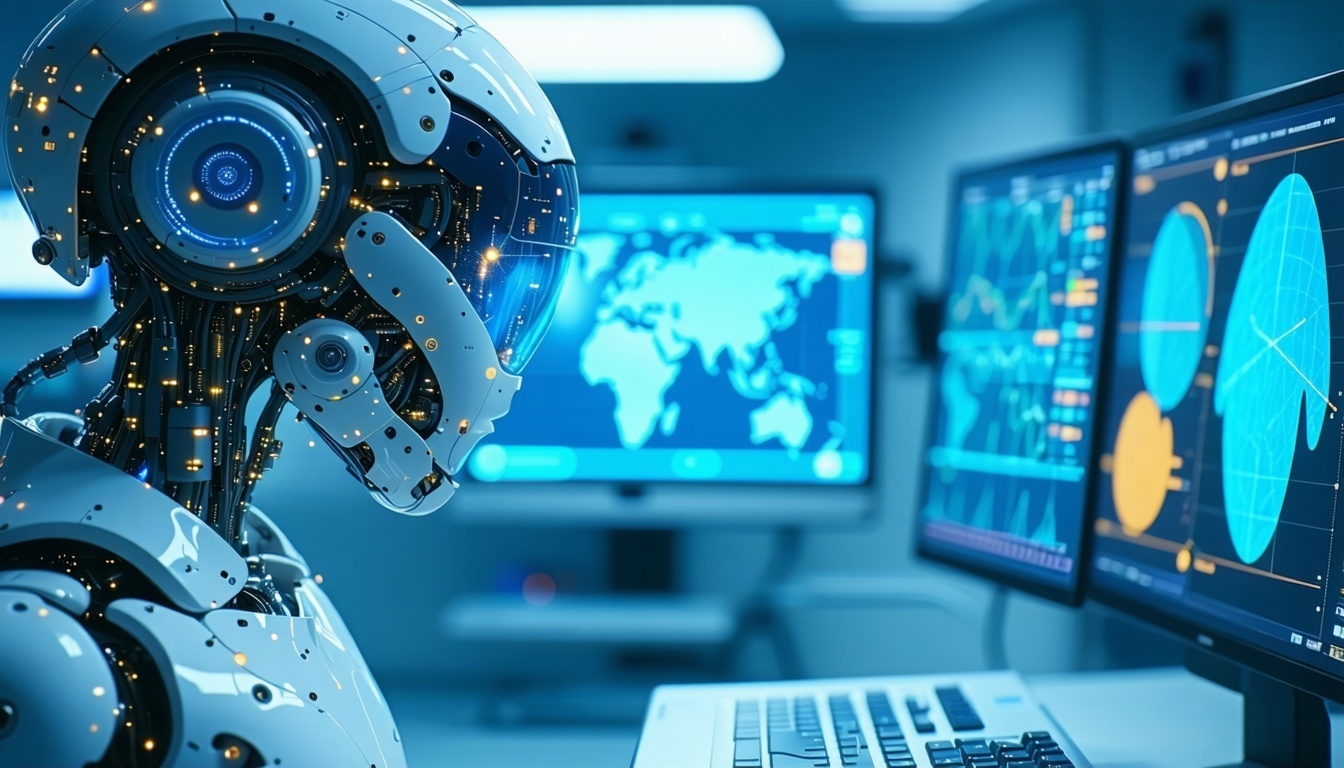
AI is becoming a cognitive collaborator, capable of analyzing information, proposing solutions, recognizing patterns, and adapting to our working style.
This shift is known as cognitive augmentation meaning the enhancement of human mental abilities through technology.
The Rise of Small, AI‑Powered Teams
Reid Hoffman (LinkedIn) says we are entering the era of small teams departments with few people, but powered by AI, capable of being 10× more efficient. According to him, 15 people with AI can do the work that previously required 150 people.
AI drastically lowers the barrier for projects that once needed large budgets and large teams. For example, by combining Codex and Claude Code, a single engineer built a system that translates a podcast into dozens of languages.
But this productivity has another side: the need for human labor decreases.This raises the question: If technology takes over part of the work, what will happen to those whose jobs disappear?
What happens to people if AI takes over part of the work?
1) Some jobs will disappear
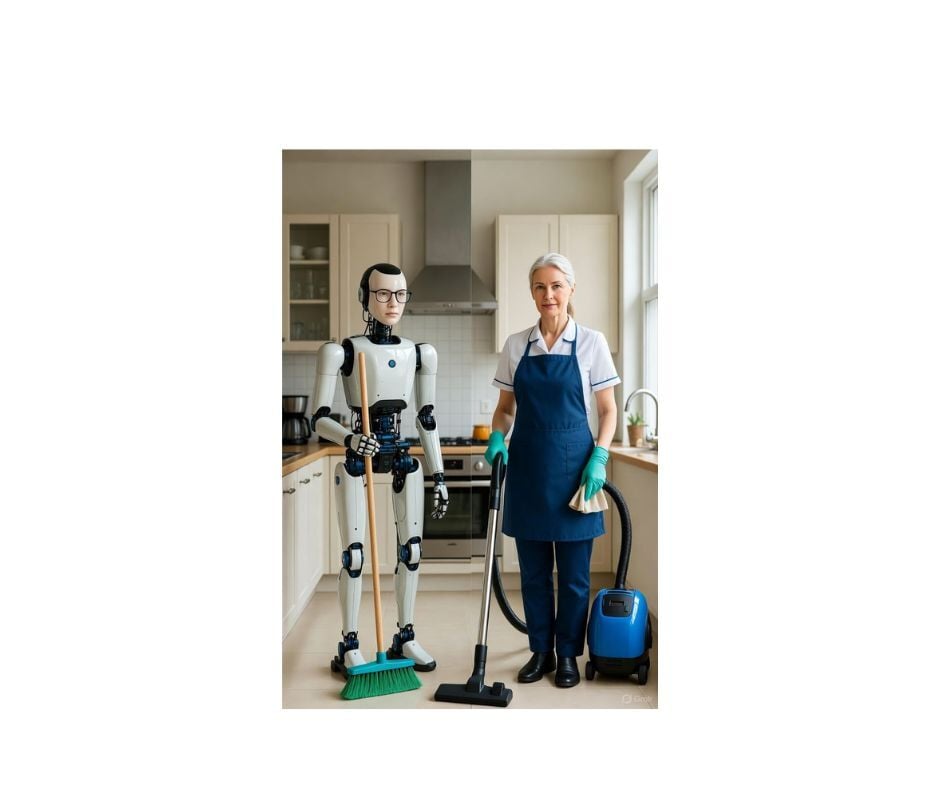
Routine, repetitive and administrative tasks will be the first to be automated.
2) Completely new roles will emerge
AI operators, model supervisors, AI workflow designers, ethics and safety specialists.
3) People who use AI will replace those who don’t
The key difference will be skills, not the number of jobs.
4) Work will transform, not vanish
More creative, analytical and interpersonal roles, fewer mechanical ones.
5) Society will need to adapt work models
Shorter workweeks, reskilling, and possibly new forms of social safety.
Learning new skills becomes a must‑have. Continuous upskilling especially in AI literacy becomes essential for staying relevant.
How to use AI agents in everyday work
AI agents are becoming part of daily workflows. For example, a marketing employee can use an AI agent to prepare a market analysis while focusing on creative strategy. AI takes over the repetitive part of the job, while the human focuses on what AI cannot do like understanding emotions, context, and human needs.
AI agents can: analyze documents ,prepare report, propose solutions, automate routine tasks or track work habits and optimize productivity.
As companies adopt AI more widely, employees who understand how to use AI agents in everyday work will have a significant advantage.
How AI automates routine tasks
AI takes over tasks that are: repetitive, predictable, rule‑based.
This is why understanding which administrative tasks AI will automate by 2030 is crucial for planning future careers, that includes:
- data entry
- scheduling meetings
- creating basic reports
- document processing
- simple programming
- basic marketing texts.
AI doesn’t eliminates tasks. The roles that remain will require more creativity, emotional intelligence, and strategic thinking.
Neurotechnology enters everyday work: How BCI devices transform productivity
Today, there are non‑invasive BCI devices that can measure focus, stress, mental fatigue, and emotional state.
These are usually EEG headbands, smart headphones, or glasses that track brainwaves and provide feedback on how we feel and how mentally overloaded we are.
As more companies explore neuro‑adaptive work environments, understanding how BCI devices improve productivity at work is becoming essential.
For example, if a BCI device detects a drop in focus, AI can suggest a break or adjust how information is displayed. This creates a dynamic environment where technology supports the brain rather than overwhelming it.
BCI devices can:
- detect when we enter a “flow state” - block distractions - adapt work tasks to our cognitive rhythm - warn us about stress before we feel it - optimize learning and memory. This is a practical demonstration of how neurotechnology affects the future of work by creating workplaces that adapt to the human brain in real time.
Neuroethics: Why cognitive privacy matters more than ever?
As technology enters our brains, a critical question emerges:
Who has the right to our mental data?
This is the core of cognitive privacy in the age of artificial intelligence, a concept that will define the ethical boundaries of future workplaces.
What is cognitive privacy in the age of artificial intelligence?
Cognitive privacy means that no one should be allowed to:- read our thoughts - analyze our emotions without consent - use neural data for manipulation - make decisions based on our mental states As neurotechnology becomes more common, protecting cognitive privacy will be as important as protecting personal data today.
AI ethics in the workplace
Ethics becomes a key skill, and it is crucial to set clear boundaries because AI and neurotechnology can:- influence employee behavior - track emotional states - analyze mental patterns Companies will need strict guidelines to ensure that neurotechnology is used responsibly and transparently.
Which jobs will AI take over?
AI will automate tasks in areas such as:
- administration
- data entry
- basic analytics
- simple programming
These are precisely the areas described in which administrative tasks AI will automate by 2030.
Which tasks will neurotechnology take over?
Neurotechnology will automate tasks related to:- focus monitoring - stress monitoring - learning optimization - automated neurofeedback training This reflects the growing application of neurofeedback technology in modern work, where AI‑driven systems help employees maintain optimal cognitive performance.
Which human skills AI cannot replace?
These are the core elements of which human skills AI cannot replace, and they will become even more valuable as automation increases:
- empathy
- moral decision‑making
- creativity rooted in lived experience
- emotional intelligence
How to prepare for AI and neurotechnology in the future of work?
To stay relevant, workers must understand that key steps include:
Learning to use AI as a tool
AI is the new Word, the new Excel, the new Google.
Developing skills that AI enhances rather than replaces:
- creativity
- communication
- critical thinking
Learning about your own brain and the ethical implications of neurotechnology
Building a personal brand authenticity is a currency AI cannot copy
The future of work is AI + the brain + ethics
In the future, we will work in a world where:
- AI enhances our cognition
- neurotechnology measures our focus and emotions
- ethics defines the boundaries of technology
The most valuable workers will be those who understand both the brain and the machine and know where to draw the line. The people who can connect human insight with technological power will define what “work” means for the next generation.
Find out how ethical dilemma begins: technology has become powerful enough to monitor entire populations without anyone noticing.
Explore related pillars
👉 Technology Guide – Innovations shaping the digital future.
👉 Brain Science Guide – Cognitive and neural foundations of AI.
👉 AI Tools Guide – Practical tools driving AI adoption.
Browse all AI trends articles👉AI trends
For a full overview of AI trends, visit the main Guide.
→ https://www.nexsynaptic.com/ai-trends
Read about👇
Read more about AI Trends, Agents & Future Tech👇
🔙 Keep exploring the blog
Explore more topics:
Ethics • AI Trends • Neurotechnology • Digital Safety • Brain Science • AI Tools • Technology

.jpg?width=784&height=1168&name=image%20(100).jpg)