Finally at the Center of Development and Progress
AI has entered every aspect of our lives and become a global social phenomenon. From creative assistants like ChatGPT‑5, to research platforms such as Perplexity, and corporate solutions like Microsoft Copilot. 2025 and 2026 bring one crucial shift: ethics has finally taken center stage.
At the TED Conference 2025, OpenAI revealed that its models have 800 million weekly active users. Such growth is unprecedented in the history of technology. But with such influence comes enormous responsibility .The question is no longer what AI can do, but what AI should do!
⚖️ Ethics and Safety in Focus
Model hallucinations
a problem long overlooked is now at the heart of the debate.
Rights of artists and creators
using their work to train AI systems raises questions of compensation and transparency.
Safety and regulation
International organizations such as UNESCO and the Future of Life Institute emphasize the need for global rules, comparable to nuclear agreements.
Ethics is no longer an “add‑on” to development it has become the main criterion of progress
🌍 Global Regulation
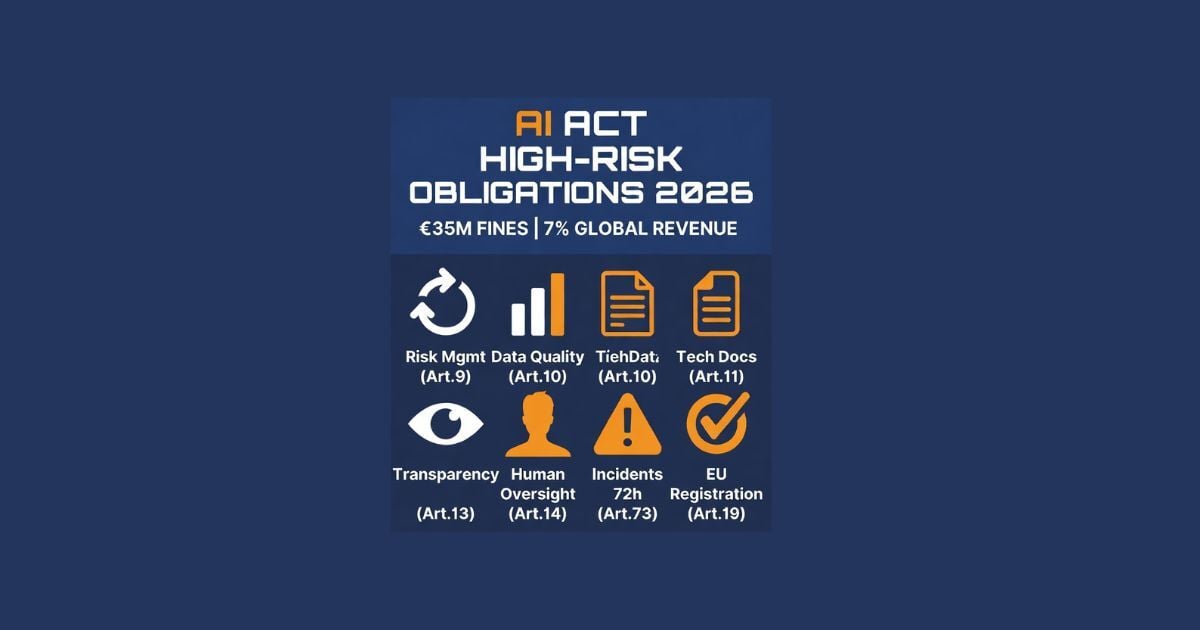
In 2025, UNESCO established ethical standards for neurotechnology and AI, while the EU and the US are developing their own legal frameworks. This shows that AI governance is evolving in parallel with technology, without trust, there can be no sustainable progress.
Trust as the Foundation of AI Adoption
Users, businesses, and governments increasingly demand transparency in how models are trained, what data they rely on, and how decisions are made. This shift shows that ethics is not only a philosophical debate but a practical requirement for adoption. Companies that fail to address issues like bias, privacy, and accountability risk losing credibility, while those that embrace responsible AI practices are more likely to gain long‑term influence and market stability.
The Future of Responsible Innovation
Looking ahead, the success of AI will be measured not just by technical breakthroughs but by the values embedded in its design. By 2028, ethical frameworks are expected to stand alongside innovations such as neuromorphic computing and generative AI as equally important milestones. Responsible innovation means that progress in areas like healthcare, education, and creative industries will depend on systems that are transparent, fair, and aligned with human rights. In this way, ethics becomes the true driver of sustainable technological growth.
By 2028, ethical frameworks are expected to be just as important as technical innovations. AI will shape work, education, and society, but only if it is developed responsibly and transparently.
Ethics has finally moved to the center of AI development. The Nexsynaptic blog continues to track how technology and responsibility intertwine, because the future of AI is not only in code, it is in the values that shape it.
Read more about AI Ethics & Regulation👇
🔙 Return to the beginning of the journey