The complete overview of emerging AI technologies, neuromorphic computing, AI agents, robotics and future predictions.
Introduction
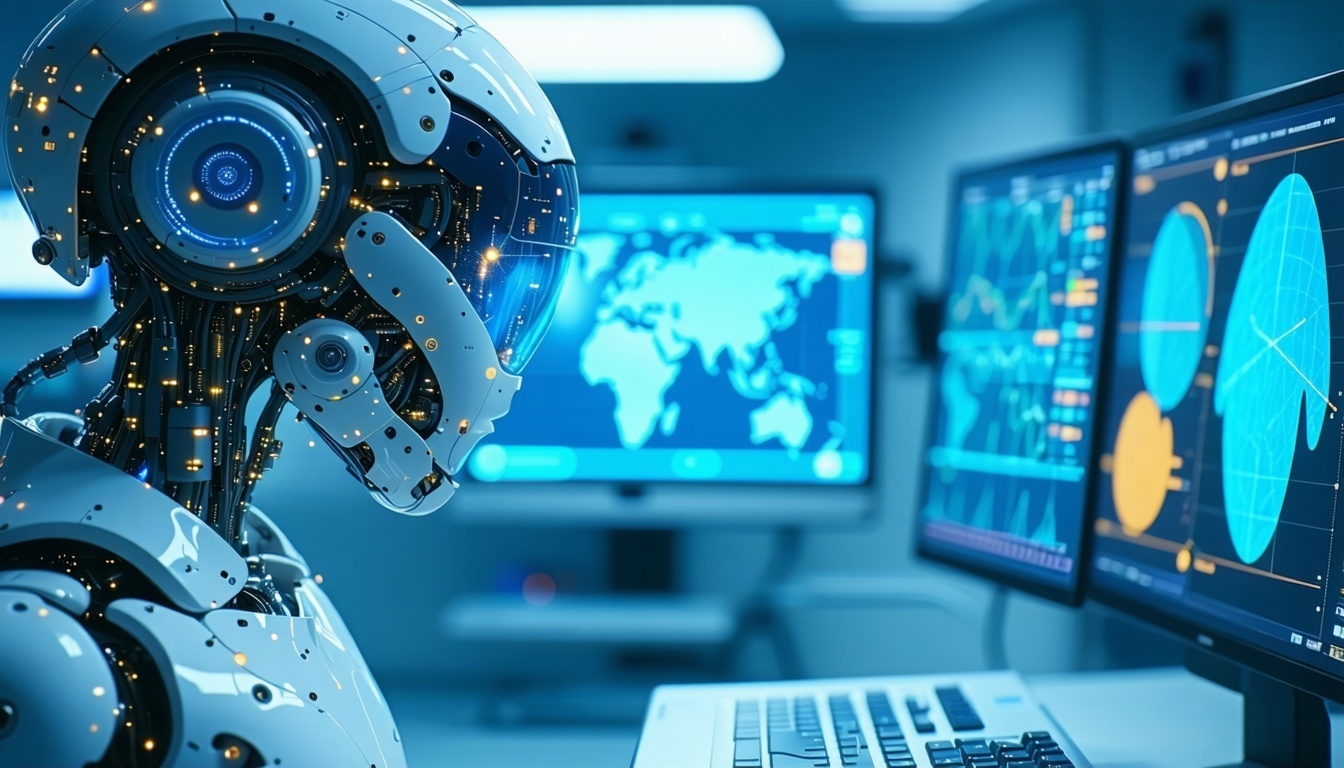
AI trends shape the future of intelligent systems, from neuromorphic chips and explainable AI to autonomous agents, robotics and multimodal reasoning. This guide provides a complete overview of the most important developments in 2025–2028.
New AI architectures, hybrid models, multimodal systems and advanced inference techniques are redefining what AI can do in real‑world environments.
AI Agents & Autonomy
Autonomous AI agents are becoming more capable, persistent and goal‑driven. Understanding their risks, capabilities and real‑world impact is essential for safe deployment.
Neuromorphic & Neural AI
Brain‑inspired architectures such as spiking neural networks, neuromorphic chips and neural memory systems are enabling faster, more efficient and more adaptive AI.
AI Robotics
AI‑powered robotics is advancing rapidly through better perception, reasoning, motor control and human‑robot interaction.
Future Predictions
From 2025 to 2028, AI will evolve through agentic systems, neurosymbolic reasoning, real‑time multimodal models and next‑generation robotics.
Deep‑Dive Articles
All new articles in one place:
Stay Updated
New articles are published regularly. Bookmark this page or subscribe on Blog home page for updates.