The Rise of Synaptic AI in Biomedicine
Synaptic AI has emerged as a technology improving data processing in biomedicine and neuroscience, inspired by the complex functions of human synapses.
Synaptic AI is inspired by the adaptive behavior of biological synapses, a process explained in our article on brain plasticity (neuroplasticity).
This advanced AI system can improve the speed and accuracy of data processing, which is crucial for research in drug discovery, personalized medicine, and bioinformatics.
Related innovations, such as those described in the article on neuromorphic computing, show how computational systems are mirroring the way the human brain processes information.
The Power of Synapticore Technology
At the heart of these innovations lies Synapticore a platform designed to enhance neural network efficiency and computational power. By mimicking synaptic connections, Synapticore allows researchers and developers to advance the boundaries of AI-driven healthcare and digital health technologies, enabling smarter and more adaptive biomedical solutions. To understand how different neural architectures compare and which are best for medical AI see the article: Understanding Artificial vs Spiking Neural Networks: Which powers biomedical AI?
Why Synaptic AI and Synapticore Matter for the Future of Healthcare
The integration of Synaptic AI and Synapticore technologies is transforming how we approach complex medical challenges. These tools provide strong capabilities in analyzing vast biomedical datasets, improving diagnostic accuracy and developing tailored treatment plans. As a result, they are becoming essential components in the advancement of bioinformatics, neuroscience research, and next-generation neural interfaces.
Key Areas Impacted by Synaptic AI
-
Personalized Medicine: Using AI to customize treatments based on individual genetic profiles.
-
Drug Discovery: Faster identification of potential drug candidates through intelligent data analysis.
-
Neural Interfaces: Enhancing BCI with more efficient synaptic computing models. These advances are being implemented in neurorobotics systems.
Digital Health: Improving patient monitoring and health management through AI-powered systems.
In the field of digital health, synaptic models enable the creation of more accurate predictive systems. This trend aligns closely with concepts like the Digital Twin Brain, which represents the future in personalized medicine and neuro‑modeling.
Synaptic AI in Personalized Medicine
Synaptic AI enables individualized treatment strategies by analyzing genetic, molecular, and lifestyle data. Unlike traditional one‑size‑fits‑all approaches, synaptic‑style architectures can identify subtle biomarkers and predict patient responses to therapies. This makes it possible to design treatment plans that are not only more effective but also safer, reducing adverse effects and improving long‑term outcomes.
Evidence of Convergence
The potential of Synaptic AI and Synapticore becomes clearer when viewed alongside development already reshaping biomedicine. AI‑driven drug discovery platforms such as Insilico Medicine have successfully designed novel therapeutic molecules including INS018_055, the first AI‑generated drug candidate to enter Phase I clinical trials demonstrating how intelligent molecular modeling can dramatically accelerate pharmaceutical innovation.
In clinical diagnostics, DeepMind’s collaboration with the UK NHS has shown that neural models can predict acute kidney injury up to 48 hours before onset, offering a glimpse into how synaptic‑style architectures could revolutionize early‑warning systems in hospitals. Advances in neural interfaces further highlight this shift:
Neuralink’s real‑time decoding of motor intentions and the BCI‑controlled exoskeleton developed at Université Grenoble Alpes illustrate how biologically inspired computation can restore mobility and communication for patients with paralysis.
Even in digital health, AI models such as those developed at Mayo Clinic capable of detecting atrial fibrillation from a normal sinus‑rhythm ECG show how continuous, AI‑enhanced monitoring can uncover hidden risks long before symptoms appear. Together, these verified developments underscore: the convergence of synaptic‑inspired AI, neuromorphic computing, and biomedical research is one that is rapidly redefining the future of healthcare, neuroscience, and human‑machine integration.
Where Biomedicine Meets Neurorobotics
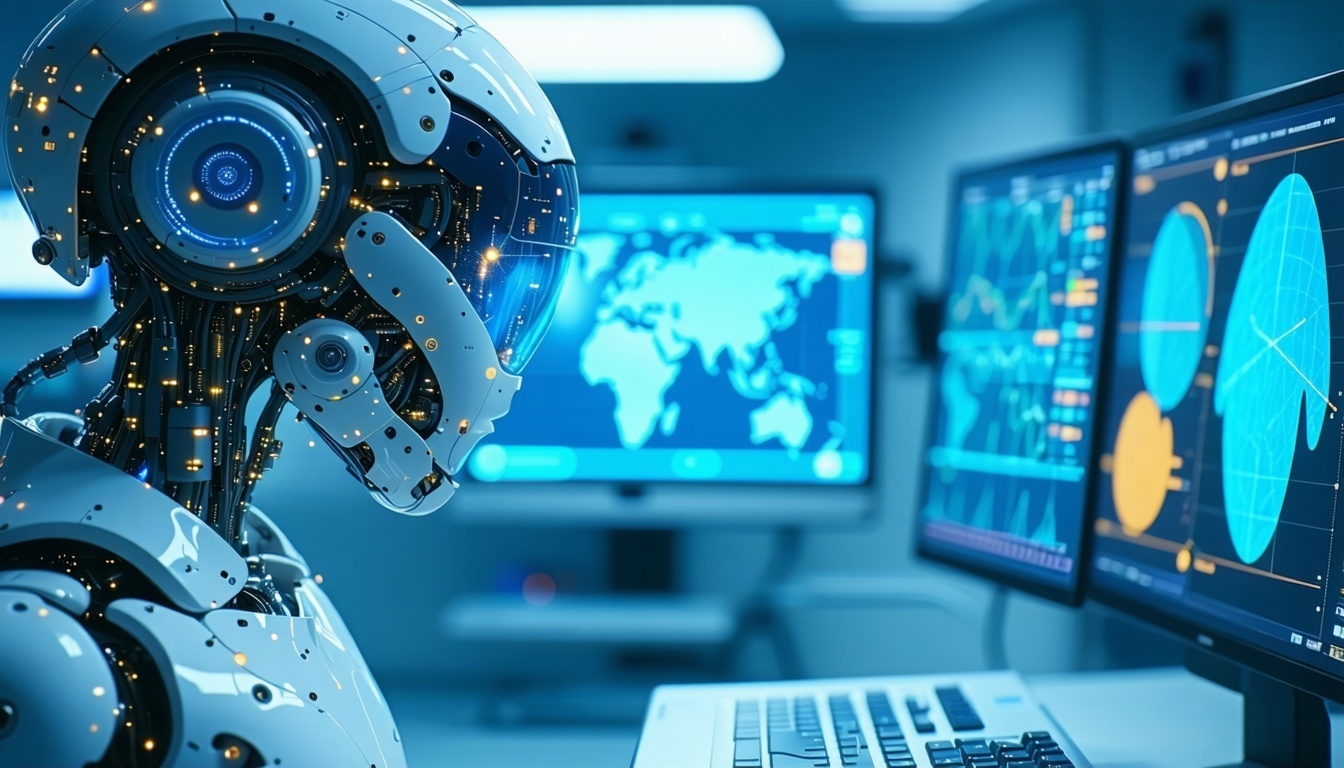
As biomedicine and AI keep moving closer together, new opportunities are emerging in robotics. The article The Future of Neuro‑Robotics highlights how neuro‑inspired systems enable robots to react faster, more precisely, with greater adaptability fully aligned with the principles behind Synaptic AI. Applying these approach is essential for the full potential of digital health and technology‑driven biomedical research.
All these technologies from spiking neural networks to advanced BCI systems show that we are entering an era where biomedicine, neurotechnology and AI merge into a unified ecosystem.
Explore related pillars
👉 Brain Science Guide – Neuroscience, cognition, and brain‑inspired AI.
👉 Ethics Guide – Responsible and transparent AI principles.
👉 AI Trends Guide – Emerging AI technologies and future developments.
Read more about Neurotechnology & Brain‑Inspired AI👇
Explore more topics:
Ethics • AI Trends • Neurotechnology • Digital Safety • Brain Science • AI Tools • Technology