NexSynaptic Learning Hub 


 The NexSynaptic Learning Hub is your central destination for understanding how the brain communicates, how artificial intelligence learns and how these two systems are converging into a new technological era.

This page combines educational content with interactive simulations, giving you both the theory and the hands‑on experience needed to explore neural activity and AI behavior. Whether you are a  researcher, educator, student or simply curious about how intelligence works.

 The Learning Hub provides clear explanations, real‑time visualizations, and intuitive tools that make complex concepts accessible.

neuronske-mreze-uz-obuku-ipak-mogu-razmisljati-poput-ljudi_xXmKMT

Brain–AI Convergence

The Future of Human–Machine Interaction

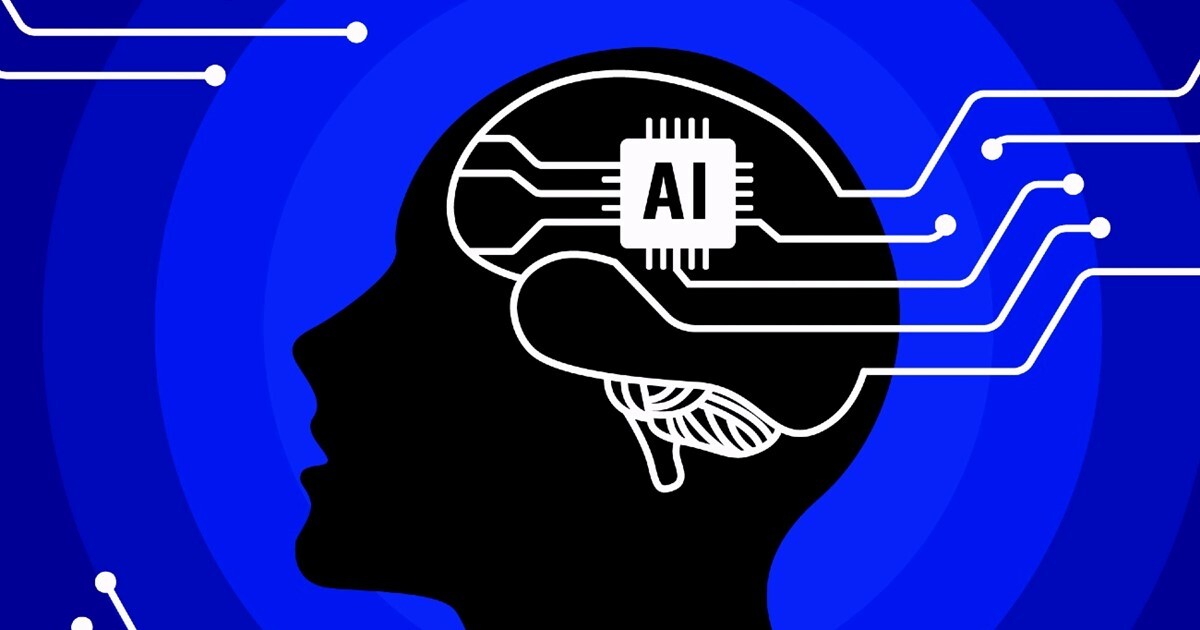
Brain–AI convergence refers to the merging of neuroscience and artificial intelligence into a unified field. Instead of treating the brain and AI as separate systems, this approach studies how they influence and enhance one another.

Neural signals, synaptic plasticity, spiking activity and adaptive AI learning form the foundation of this new technological landscape. This convergence is already visible in brain–computer interfaces (BCIs), neuromorphic computing, spiking neural networks and adaptive AI systems that learn from neural data. These technologies will redefine how humans interact with machines.

How the Brain Communicates Through Neural Spikes

Spikes, Synapses, Neurons

 The brain communicates through electrical impulses known as spikes.

When a neuron receives enough input, it fires a spike that travels across synapses to other neurons.

These spikes form patterns that represent thoughts, movements, emotions, and sensory experiences.

Synapses, the connections between neurons are dynamic. They strengthen or weaken depending on how often they are used.

This process, known as synaptic plasticity, is the foundation of learning and memory. Throughout life, the brain undergoes structural and functional changes that influence synaptic density, network integration, and processing speed.

The NexSynaptic Neural Network Simulator


If you want to see how neural activation behaves in a simulated environment, Explore it 

Synaptic Plasticity and Lifelong Brain Adaptation

 Synaptic plasticity allows the brain to adapt to new experiences, recover from injury and reorganize itself throughout life. Synaptic density and network efficiency change with age, but the brain retains a remarkable capacity for adaptation even in later years. This adaptability is what makes neurorehabilitation, BCI training, and cognitive enhancement possible. By understanding how synapses strengthen or weaken, we can design AI systems and simulations that mirror biological learning processes. 

Neuroscience and BCI Fundamentals

Brain–computer interfaces (BCI) read neural signals and translate them into digital commands. They are used in neurorehabilitation, assistive communication, and motor control. As the brain ages, its network integration decreases, but plasticity remains, allowing BCI systems to activate remaining pathways and improve function. 

How AI Learns?

Brain synapses spike

From Neurons to Networks

 Artificial intelligence models learn by adjusting internal parameters in ways that mirror biological learning. This section explains how neural networks learn, what loss and accuracy represent, how overfitting and underfitting occur, and how hyperparameters shape learning. You can experiment with these concepts in real time using the NexSynaptic Neural Training Simulator. 

👉 Neural Training Simulator

Neural Simulations A Window Into Brain Function

 Neural simulations allow us to study brain‑like behavior without laboratory equipment.
 
They visualize spikes, synaptic changes, network dynamics and learning processes in real time.
NexSynaptic provides four interactive modules: Simulator, Spiking, Comparison and Analytics, that help users explore these concepts intuitively.
 Simulations bridge the gap between theory and practice, to observe how neural networks behave under different conditions. 


NexSynaptic Platform

Spike‑Based AI Models and Neuromorphic Computing

Most traditional AI models rely on mathematical neurons that differ significantly from biological ones. Spike‑based models, use spikes as their primary communication method, making them more biologically realistic.

These models are energy efficient, fast and  compatible with neural signals. Neuromorphic chips that implement spike‑based computation are emerging as powerful tools for real‑time, low‑power AI applications. They represent future in creating AI systems that learn and adapt like the brain.

The Brain–AI Feedback Loop

One of the most important concepts in neurotechnology is the closed‑loop system between the brain and AI. The brain sends a signal, AI interprets it, the system generates an action, and the brain receives feedback. This loop repeats continuously, enabling adaptive learning and real‑time interaction. Such feedback loops will play a central role in future neuroadaptive systems, personalized therapies, and cognitive enhancement tools. 

Interactive Learning Modules

Wish to know more about neural activity, AI learning, and real‑time simulations?
The NexSynaptic platform gives you the tools you need.
 

Neural Network Simulator 

Visualize basic neural behavior and activation patterns.

Neural Training Simulator

Experiment with hyperparameters and observe learning dynamics.

Advanced Platform Modules

Spiking, Comparison, Analytics for deeper exploration.